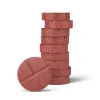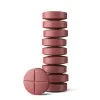

“7-OH Replacement” is a navigation and catalog label used to help shoppers find a different product category during a catalog transition. It is not a chemical definition. It does not mean that a botanical alkaloid complex is chemically equivalent to 7-hydroxymitragynine, has the same risk profile, or will produce the same effect.
That distinction is the point of this guide. A replacement label can describe where an item sits in a store catalog; it cannot turn unlike formulations into substitutes. Compare the new category by its own ingredient panel, stated amounts, format, directions, warnings, and documentation.
What the Catalog Label Communicates
On 7OH Factory, the phrase directs shoppers from a familiar catalog term toward botanical alkaloid complex listings. It is a merchandising and navigation cue. It helps answer “where should I look now?” It does not answer “is this the same molecule?” or “will this feel the same?”
In plain terms, “replacement” here means an alternative place to browse. It is not:
- a statement of chemical equivalence;
- a safety claim;
- a claim of equal strength;
- a dosing conversion;
- or a promise of the same experience or effect.
A Complex Is a Formula, Not One Named Compound
7-hydroxymitragynine is a specific chemical constituent. A botanical alkaloid complex is a formulated product category that may contain multiple named botanical ingredients or alkaloid components. The exact composition belongs on the product label. Similar category placement does not erase that formulation difference.
Do not compare the headline milligram number across those categories as though the units describe the same substance. A total complex amount can cover several components. A constituent amount refers to a specific named constituent. Without a complete breakdown, there is no responsible one-to-one conversion.
How to Compare Botanical Alkaloid Complex Labels
Read every active ingredient
Identify each botanical, extract, or constituent listed. Note whether amounts are disclosed individually or only as a combined complex total. If the details are not supplied, treat them as unknown.
Normalize the serving basis
Confirm whether each number is per tablet, per serving, or per package. Check how many tablets make a serving before comparing value or package totals.
Check format and other ingredients
Compare chewable or swallow format, flavor, sweeteners, binders, and any other active ingredients. These are real product differences. They do not establish equivalence to a different category.
Review warnings and documentation
Read the complete directions and warnings. When a certificate of analysis is available, match it to the product and batch, then confirm what was actually measured. A report should not be stretched beyond its stated scope.
Regulatory Context Can Change
Federal agencies have issued warnings and taken regulatory action concerning concentrated 7-hydroxymitragynine products. Rules can also differ by jurisdiction and change after publication. A catalog label does not determine legal status, agency approval, or individual risk. Check current federal, state, and local requirements rather than relying on an old article or product availability.
Browse the Category on Its Own Terms
Use the catalog label as a signpost, then start fresh with the facts. Browse 7OH Factory’s current botanical alkaloid complex products and compare their ingredient panels, serving basis, stated amounts, format, warnings, and available batch documents. The right comparison is formula to formula—not slogan to slogan.