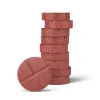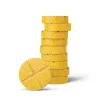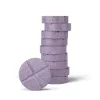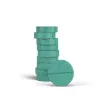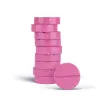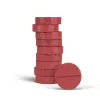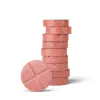

A botanical alkaloid blend puts more than one component into a single formula. That can make comparison useful—but only if you know what the numbers represent. A bold “500 mg” on one listing may describe the entire blend, while another listing breaks out each component per tablet. Those are not the same level of disclosure, and the larger front-label number does not automatically make the first product the better value.
The practical approach is simple: identify the formula, normalize every amount to the same serving basis, and compare disclosed facts. Do not build an effect hierarchy from ingredient count or total milligrams.
Blend Versus Single-Extract Tablet
A single-extract tablet names one primary botanical extract. A blend combines two or more botanical extracts, isolated constituents, or other active ingredients. Neither format is inherently stronger or more suitable. The distinction tells you how to read the panel.
With a single extract, the stated amount is usually easier to connect to the named ingredient. With a blend, determine whether the label provides individual amounts or only a combined total. If it lists 300 mg for a three-component blend without a component breakdown, you cannot calculate how many milligrams of each component are present.
Put Every Number on the Same Basis
Before comparing price or strength, answer three questions:
- Is the amount stated per tablet, per serving, or per package?
- How many tablets make one serving?
- Does the number refer to one ingredient or the full blend?
For example, a 400 mg blend per two-tablet serving presents 200 mg of total blend per tablet. That arithmetic still does not reveal individual component amounts unless the label provides them. Keep total blend weight, component weights, and standardized constituent percentages in separate columns.
Compare the Whole Formulation
Named components
Read the complete active-ingredient list. Botanical common names can vary, so a scientific name adds clarity. Note whether each ingredient is plant material, an extract, or a named constituent. Similar product names do not prove identical formulas.
Format and flavor
Check whether the tablet is chewable or intended to be swallowed, and review flavoring, sweeteners, colors, and binders. These details matter when comparing what you are actually buying. They should remain separate from assumptions about performance.
Directions and warnings
Read the serving instructions and all package warnings. Combination products require attention to every ingredient, particularly for shoppers who use medications or have individual health considerations. A qualified professional can address those questions; a category page cannot.
Use Documentation for What It Shows
A certificate of analysis can help confirm selected facts when it matches the product and batch. Look for the product name, lot identifier, date, laboratory, methods, and analytes reported. A result for one selected compound does not confirm the full botanical profile, and a report without a matching batch identifier may not describe the item in hand.
Also distinguish label transparency from outcome claims. More detailed disclosure makes a product easier to compare. It does not guarantee a particular result.
Quick Value Checklist
- Calculate tablets and servings per package.
- Normalize the total blend amount to one tablet or one serving.
- Mark whether individual component amounts are disclosed.
- Record extract specifications without confusing them with total weight.
- Compare format, flavor, and other ingredients.
- Check for batch-matched documentation.
- Reject comparisons based only on a large headline number.
Compare Botanical Alkaloid Blends
7OH Factory keeps the category focused on the fields that can be checked. Browse current botanical alkaloid blend tablets, then compare formulation, amount basis, format, flavor, package count, and available documentation without guessing what an undisclosed number means.