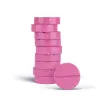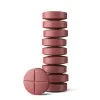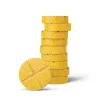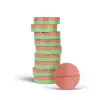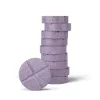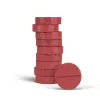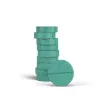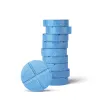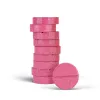

Sceletium tortuosum and kanna often appear in the same product search, but the words on a tablet label do different jobs. Sceletium tortuosum is a botanical name. Kanna is a common name. “Extract” means that plant material has been processed to concentrate or select components. None of those terms, by itself, tells you the exact composition or stated amount in a finished tablet.
A useful listing should move from identity to specifics: which botanical is named, what form of extract is used, how much is stated, whether a constituent specification is supplied, and how that amount relates to a tablet or serving. Here is how to read those fields without filling gaps with assumptions.
Plant Name and Product Form Are Separate Facts
The italicized name Sceletium tortuosum identifies the species discussed in scientific literature. “Kanna” is widely used as its common name. A label may use either or both. For comparison purposes, the strongest label states the botanical identity clearly and also identifies the product form, such as an extract.
Raw or dried plant material is not the same as an extract. Extraction can change the relative concentration of plant constituents, and different manufacturing specifications can produce extracts that should not be treated as identical. A milligram amount for plant powder therefore should not be compared one-for-one with the same milligram amount of an extract.
What Standardization Can Mean
A standardized extract is produced to meet a stated specification, often for a named constituent or group of constituents. On a complete label, the specification should make clear:
- which constituent or group is measured;
- whether the value is a percentage or another unit;
- whether it applies to the extract itself or the finished tablet;
- and the extract amount per tablet or serving.
“Standardized” does not mean every brand uses the same process, full chemical profile, or testing method. It also does not make two differently formulated tablets equivalent. If a listing gives only an extract weight, record it as extract weight. If it supplies a percentage, keep that percentage tied to the exact named specification rather than turning it into a broader product claim.
Read the Tablet Label in Order
1. Confirm identity
Look for Sceletium tortuosum, the common name kanna, and a clear extract description. If several botanicals are present, the product is a combination formula.
2. Find the serving basis
Check whether the stated amount is per tablet, per multi-tablet serving, or per package. Use the same basis when comparing products.
3. Separate weight from specification
Keep the milligrams of extract in one column and any standardized percentage in another. These numbers answer different questions.
4. Review the complete formulation
Note flavor, sweeteners, binders, allergens, other botanical ingredients, directions, and warnings. A prominent front-label term is never the whole formulation.
5. Match supporting records
When batch documentation is posted, match the lot or batch identifier and review the actual test scope. A certificate is informative only about the items and methods it reports.
Where the Evidence Has Limits
Published reviews cover traditional use, chemistry, preclinical studies, and a limited body of human research. That literature does not establish that every commercial extract has the same composition, nor does it justify promises about a finished tablet. Labels are best used to compare disclosed specifications, not to guarantee an individual experience.
Botanical products can also raise individual questions involving medications, pregnancy, or health conditions. A product page is not a substitute for advice from a qualified professional.
Browse Sceletium Extract Tablets
Ready to compare the details instead of the adjectives? Review 7OH Factory’s current Sceletium tortuosum extract products and check identity, serving basis, extract weight, specification, format, and documentation on each listing.