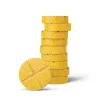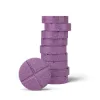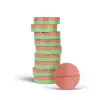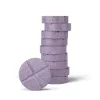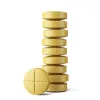

Kanna extract tablet listings can look simple until two products put different numbers, serving sizes, and extract descriptions on the page. The fastest way through the noise is to separate what the label states from what the marketing suggests. Kanna is a common name associated with Sceletium tortuosum, a South African succulent with a long history of traditional use. A modern tablet, however, contains a prepared ingredient and should be compared as a finished formulation—not as a stand-in for the plant or for another product.
This guide focuses on the facts shoppers can check: stated extract weight, serving basis, standardization language, format, flavor, other ingredients, and available documentation. It does not use an extract number to predict a particular result.
Start With the Amount Basis
A large number on the front of a package is incomplete unless the label says what it measures. Confirm whether the amount is:
- per tablet;
- per serving of more than one tablet;
- or the total for the entire package.
Then check how many tablets make one serving and how many servings are in the container. A 200 mg statement per tablet is not the same presentation as 200 mg per two-tablet serving. Package totals are even less useful for direct comparison unless the tablet count is also considered.
Extract Weight Is Not Standardization
Extract weight tells you how much of the named extract is stated in a unit or serving. Standardization describes a specification for one or more constituents in that extract. Those are separate facts. A label that says “200 mg kanna extract” reports an extract amount; it does not automatically report the amount of mesembrine-class alkaloids. A label that also states a percentage provides another piece of information, but only if it clearly identifies what the percentage refers to.
Do not assume that a higher extract weight, a higher ratio, or a percentage makes two products directly interchangeable. Extraction method, source material, specification, other ingredients, and testing can differ. Compare products only on fields both listings actually disclose.
Check Format, Flavor, and the Full Panel
Tablet format
Determine whether the item is chewable, dissolvable, or intended to be swallowed. Format affects practical details such as flavoring, sweeteners, tablet size, and serving instructions. It does not establish a universal effect ranking.
Flavor and other ingredients
Read past the product name. Review flavor systems, sweeteners, colors, binders, and every other listed active ingredient. If a tablet combines multiple botanical ingredients, compare it as a blend rather than attributing the full label amount to kanna.
Documentation
If a certificate of analysis is available, match its product name and batch or lot identifier to the item. Check what the laboratory measured; a report for identity or selected constituents is not automatically a complete analysis of every possible contaminant or ingredient.
A No-Nonsense Comparison Checklist
- Match the stated amount to the correct tablet or serving basis.
- Separate total extract weight from any standardized constituent percentage.
- Compare single-extract tablets with other single-extract tablets.
- Read the complete ingredient panel, directions, and warnings.
- Confirm tablet count, format, and flavor before comparing value.
- Review available batch documentation without assuming it tested more than it lists.
Research reviews discuss Sceletium chemistry and traditional context, but published literature does not turn a retail label into a guaranteed outcome. Product details and individual considerations still matter. Anyone with questions involving medications, pregnancy, or a health condition should speak with a qualified professional before using a botanical product.
Compare Current Kanna Extract Listings
7OH Factory organizes the practical fields in one place. Browse the current kanna extract products, then compare the serving basis, extract statement, tablet format, flavor, and documentation line by line.